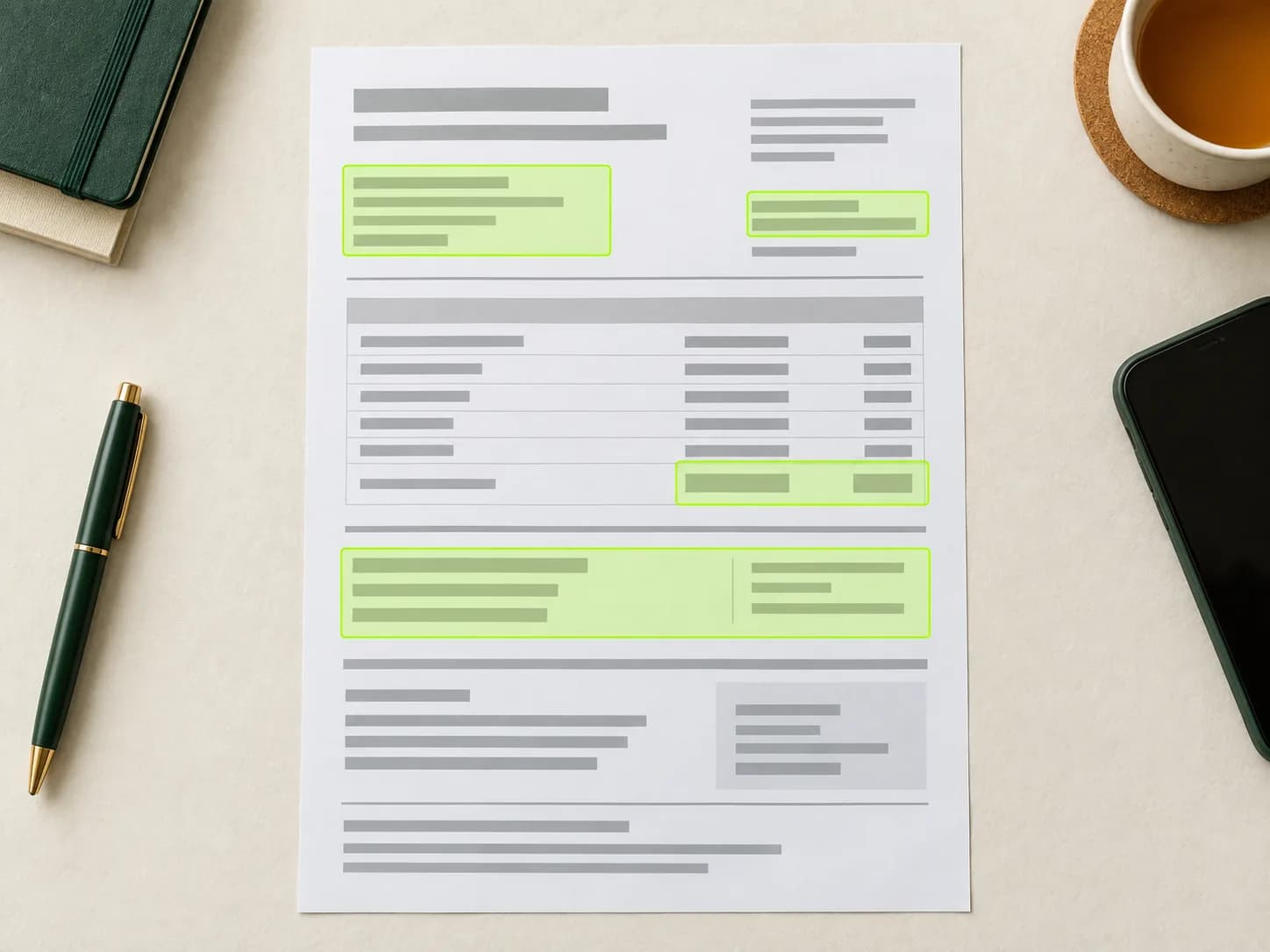
Find your tariff category on the bill
Every connection is assigned a tariff category that determines how it is billed. For domestic consumers the most important distinction is between protected and unprotected status. A protected consumer is typically one whose monthly usage does not exceed a set threshold (commonly 200 units) and who does not own certain high-power appliances; they pay a subsidised rate. Unprotected consumers pay the full slab rate. Your category is printed on the bill — check it before assuming any rate applies to your connection.
How domestic slab tariffs work
Pakistan's domestic electricity tariff is structured in consumption slabs, where each higher band applies a higher per-unit rate. Importantly, the slab rates are applied incrementally: the first 100 units are billed at the first-slab rate, units 101–200 at the second-slab rate, and so on. If you use 350 units, you do not pay the 301–400 slab rate on all 350 units — only on the last 50. The table below shows approximate rates from the most recently approved NEPRA domestic tariff schedule. These change periodically; the rate that applies is always the one in force during your billing month.
| Monthly units | Approx. rate (Rs/kWh) | Note |
|---|---|---|
| 1 – 100 | 7.74 | Applies to first 100 units only |
| 101 – 200 | 10.06 | Applies to units 101–200 only |
| 201 – 300 | 13.42 | Applies to units 201–300 only |
| 301 – 400 | 19.55 | Applies to units 301–400 only |
| 401 – 500 | 23.45 | Applies to units 401–500 only |
| 501 – 600 | 25.68 | Applies to units 501–600 only |
| 601 – 700 | 26.94 | Applies to units 601–700 only |
| 701 and above | 28.22 | Applies to all units above 700 |
Fuel price adjustment (FPA)
The fuel price adjustment (FPA) is a separate line on your bill that accounts for changes in the actual cost of fuel used to generate electricity compared to what was assumed when the base tariff was set. It can be positive (adding to your bill) or negative (reducing it). FPA is calculated across all units consumed and applied as a flat Rs per kWh amount. The rate changes quarterly based on NEPRA's determination and varies by billing month. To verify the applicable FPA for a given month, look up the NEPRA notification for that quarter.
Fixed charges, taxes and fees
Alongside energy charges, your bill includes several fixed and percentage-based items. The table below lists the most commonly seen ones. The actual amounts on your bill depend on your connection category, tariff and billing month.
| Charge | Description | How calculated |
|---|---|---|
| Fixed charge / meter rent | A monthly fixed amount per connection, regardless of units used | Flat amount per billing period |
| GST (General Sales Tax) | Federal sales tax on the energy and certain other charges | Percentage of taxable amount |
| TV licence fee | Statutory fee collected on behalf of the government | Flat amount per connection |
| Income tax (withholding) | Applied to commercial and some high-use connections | Percentage; exemptions apply |
| Electricity duty | Provincial tax on electricity consumption | Percentage of the base charge |
Common questions
What is FPA on an electricity bill in Pakistan?
FPA stands for Fuel Price Adjustment. It is a separate per-unit charge (or credit) on your bill that reflects the difference between the assumed fuel cost when your base tariff was set and the actual fuel cost for generating electricity that month. It can increase or decrease your bill and changes quarterly based on NEPRA's determination.
What is the difference between protected and unprotected consumers?
A protected consumer is one whose monthly consumption typically stays at or below a set threshold (commonly 200 units) and who does not own certain appliances such as air conditioners. Protected consumers pay a subsidised flat rate. Unprotected consumers pay the full incremental slab rate. Your category is printed on your bill. Using more than the threshold in any month usually causes your bill for that month to be calculated at the unprotected rate.
Why is there a TV licence fee on my electricity bill?
Pakistan's government collects a statutory television licence fee through electricity bills for administrative convenience. The fee is charged per connection regardless of whether you own a television. It is a government levy rather than a charge from the electricity company.
How do electricity slabs work — do I pay the top rate on all my units?
No. Slabs are incremental. You pay the rate for each band only on the units that fall within it. If you use 250 units, you pay the first-slab rate on units 1–100, the second-slab rate on units 101–200, and the third-slab rate on units 201–250. Only the 50 units above 200 are billed at the higher third-slab rate.
My bill increased but my usage was the same — why?
A bill can increase without any change in consumption when a tariff revision takes effect, when an FPA or quarterly adjustment is applied, or when arrears from a previous month are included. Check each line on your bill separately rather than comparing totals. An adjustment in the FPA or a quarterly correction is the most common cause of an unexpected increase.
Something inaccurate? Report a correction. Do not include private bill details.