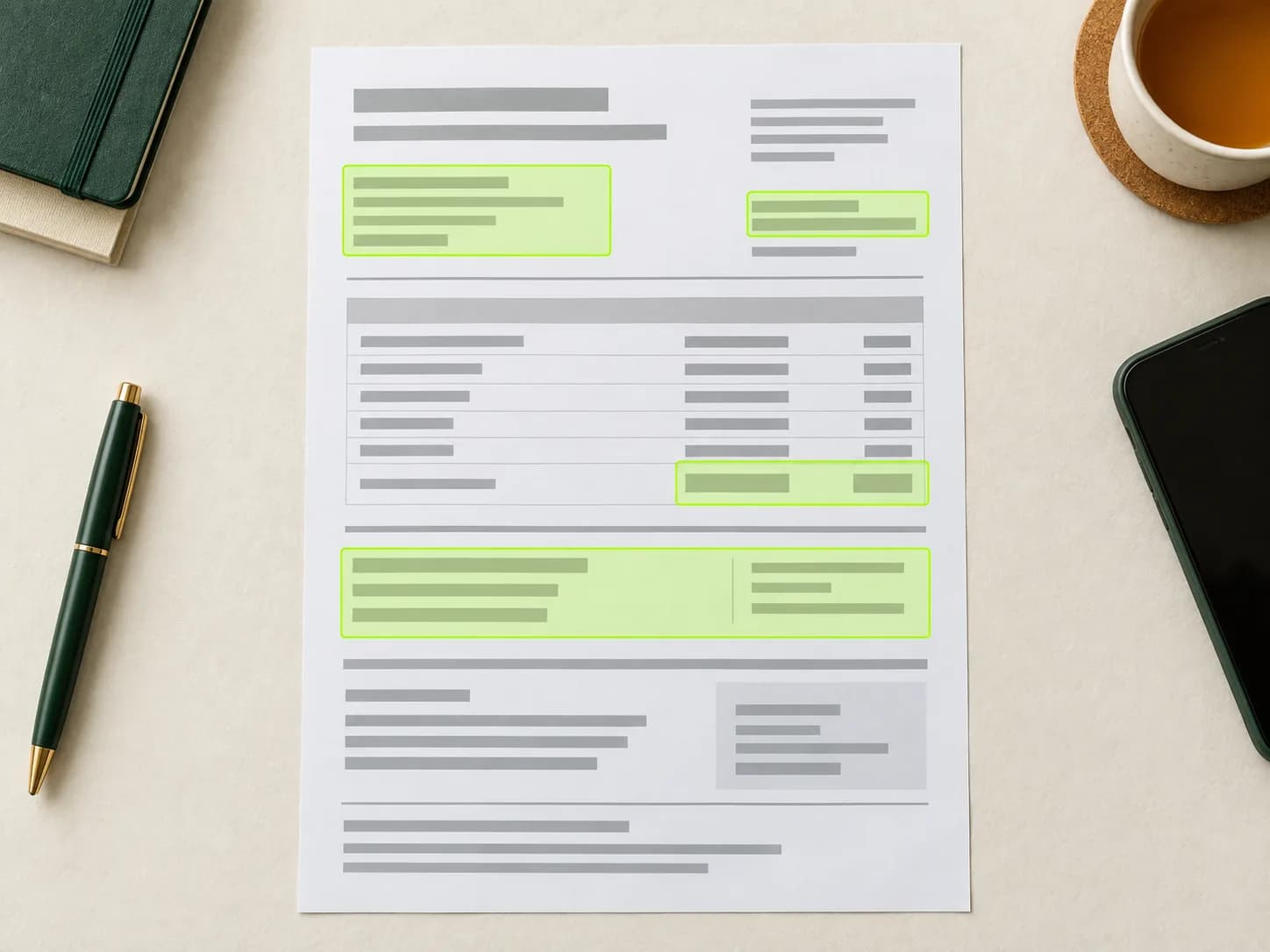
Compare like with like
Before concluding there is a problem, compare the current bill with the same month in a previous year rather than with the immediately preceding month — summer and winter usage differ significantly in most of Pakistan. Also compare the number of days in each billing period, as a longer reading interval means more units even if daily consumption is identical. Calculate units per day (divide billed units by the number of days between readings) for a more meaningful comparison.
Separate consumption from the total bill
A higher bill can result from more consumption, from a tariff change, from an FPA or quarterly adjustment, from arrears from a previous period, or from crossing a slab boundary. Inspect each line separately. If total units are the same as last month but the bill is higher, the cause is likely a rate or adjustment change rather than a consumption change. Use the guides on charges and adjustments to identify which line changed.
Estimate consumption by appliance
To understand which appliances drive the most consumption, divide the rated wattage by 1,000 and multiply by daily hours of use to get kWh per day. The table below shows approximate estimates for common household loads — actual consumption varies with usage patterns, thermostat settings and appliance age.
| Appliance | Typical rating | Daily use | Approx. kWh/day |
|---|---|---|---|
| Split air conditioner (1 ton) | 1,000–1,500 W | 8 hours | 8–12 kWh |
| Window air conditioner (1 ton) | 1,200–1,800 W | 8 hours | 10–14 kWh |
| Refrigerator (medium) | 100–200 W running | 24 hours cycling | 1.5–3 kWh |
| Electric water pump (0.5 HP) | 370 W | 3 hours | 1.1 kWh |
| Washing machine (auto) | 500–1,000 W | 1 cycle/day | 0.5–1 kWh |
| LED lights (10 × 10W) | 100 W total | 6 hours | 0.6 kWh |
| Ceiling fan | 75–80 W | 12 hours | 0.9–1 kWh |
| Electric iron | 1,000–2,000 W | 30 minutes | 0.5–1 kWh |
| Inverter (standby) | Varies widely | Continuous | 0.5–2 kWh |
Peak-hour and meter-fault checks
Time-of-use tariffs charge more for electricity used during peak hours. If your meter has separate peak and off-peak registers, check whether heavier loads are running outside those hours. For a suspected meter fault — for example the register advancing faster than normal — request a formal meter test from your distribution company. This is your right under NEPRA regulations. Do not attempt to inspect or test the meter yourself.
Common questions
Why is my electricity bill so high in summer in Pakistan?
Air conditioning is the primary reason. A single 1-ton split AC running 8 hours per day adds approximately 240 to 360 extra kWh over a month. Additionally, crossing to a higher consumption slab means the incremental rate on all units above the threshold increases, which amplifies the bill increase beyond what the raw unit count suggests.
What uses the most electricity at home in Pakistan?
Air conditioners are by far the largest consumers for most households during summer. In winter, electric water geysers and heaters take their place. Refrigerators, water pumps and washing machines are significant year-round. Lighting accounts for a small fraction of the total if LED bulbs are used.
Can a faulty meter cause a high electricity bill?
Yes, though it is less common than consumption and tariff changes. Signs of a possible meter fault include a consumption figure that is implausible given your appliances and usage, or a meter display that advances visibly faster than expected. Request a formal meter test from your DISCO — it is free for the first test in most cases and is your right under NEPRA regulations.
My bill jumped from 300 to 500 units — could it be a meter problem?
Check whether any additional loads were added (a new air conditioner, an extra refrigerator or a water pump), whether the billing period is longer, or whether an estimated reading in a previous month is being corrected. If none of these explain the jump and the meter reading date aligns with your usage pattern, request a meter test from your DISCO.
Something inaccurate? Report a correction. Do not include private bill details.