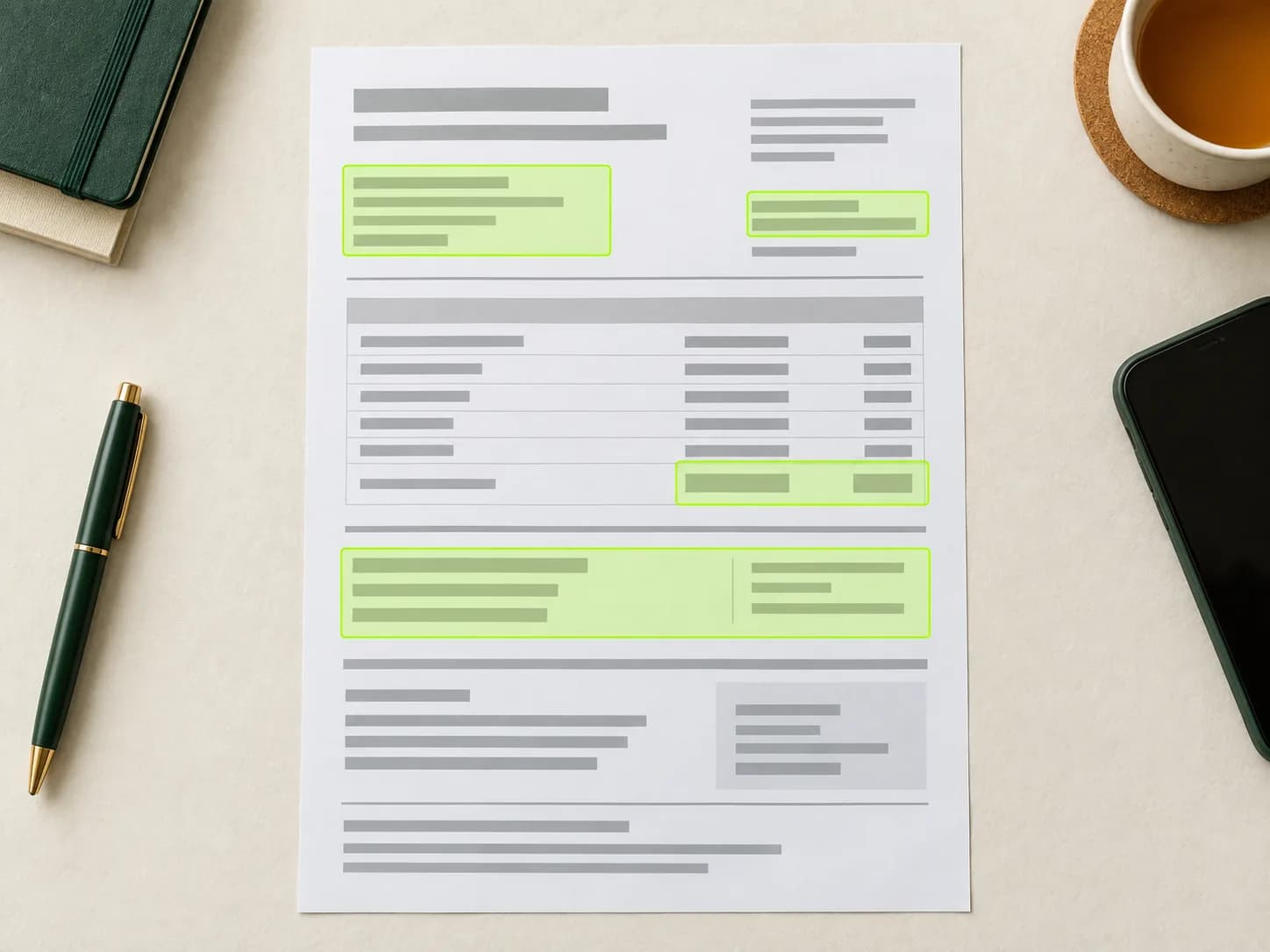
Billing month and due date
The billing month identifies the period the bill covers — it is not the same as the date the bill was printed or the date you retrieved the duplicate. The due date is the deadline for paying the amount shown as 'payable within due date'. A 'reading date' is a separate field that records when the meter was read; it is not a payment deadline. Always read the actual due date from the bill rather than assuming a fixed number of days from the reading date.
Amount within and after the due date
Most electricity bills in Pakistan show two payable amounts: one for payment on or before the due date, and a higher one for payment after it. The difference covers a late payment surcharge, which is calculated at the time the bill is printed. Always confirm the currently applicable amount with the payment channel you use, especially if you are paying close to the deadline — a payment that arrives on the wrong side of midnight may use the later-payment figure.
Current charges, arrears and adjustments
A bill separates current charges (energy consumed in this billing period) from any arrears (previous unpaid balance) and adjustments (credits or corrections applied by the company). A higher total does not by itself mean the meter recorded more consumption — inspect each line separately. If an adjustment appears that you do not recognise, ask your distribution company to explain it with reference to the notification that authorised it.
Check account details before paying
Match the company acronym, reference number and account name against your physical bill and against what the payment app shows before confirming any transaction. If the account name or amount differs from what you expect, stop and contact your distribution company or the payment provider before proceeding. Recovering a misdirected payment is difficult and slow.
Common questions
What is the difference between the due date and the reading date on my bill?
The reading date is when the meter reader visited and recorded the meter reading. The due date is when payment is required. They are usually a week or more apart. The payment deadline is the due date, not the reading date.
My bill shows two different amounts — which one do I pay?
Pay the 'within due date' amount if you are paying on or before the printed due date. Pay the 'after due date' amount if you are paying after it. The difference is the late-payment surcharge. Check your payment app displays the same amount before confirming.
What does 'arrears' on my electricity bill mean?
Arrears is an unpaid balance from a previous billing period that has been carried forward. If the arrears figure seems wrong, request the previous bill from PITC using the same reference number to compare, or contact your distribution company.
Something inaccurate? Report a correction. Do not include private bill details.